
Summer is a popular time for cosmetic procedures such as liposuction, breast augmentation, facelifts, and tummy tucks, but recovery can be more challenging in the warmer months. Heat, humidity, and increased sun exposure can worsen swelling, increase inflammation, and place additional stress on healing tissues.
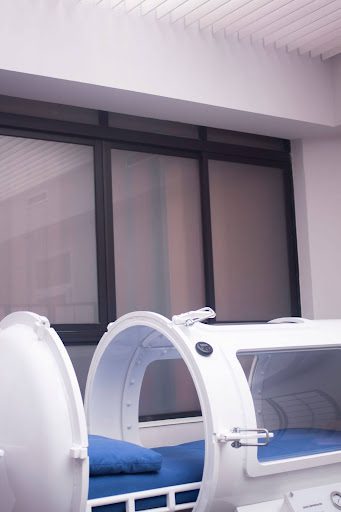
To support a smoother recovery, many patients incorporate Hyperbaric Oxygen Therapy (HBOT) into their post-surgical care plan. By delivering 100% oxygen in a pressurized chamber, this increases oxygen supply to healing tissues, helps reduce swelling, and promotes faster cellular repair during the recovery process.
Deep Tissue Hyperoxygenation Explained
After cosmetic surgery, the body’s healing tissues often receive less oxygen because small blood vessels and capillaries are disrupted during the procedure. This temporary reduction in oxygen delivery, known as hypoxia, can slow recovery and contribute to swelling and inflammation.
Under normal conditions at sea level (1 ATA), oxygen is carried primarily by red blood cells, limiting how much oxygen reaches injured tissues. During the therapy, you breathe 100% oxygen inside a pressurized chamber set at 2 to 3 ATA. The increased pressure allows oxygen to dissolve directly into the blood plasma, dramatically increasing the amount of oxygen available throughout the body.
How HBOT Changes Oxygen Delivery
This oxygen-rich plasma can reach areas with reduced circulation, delivering the fuel healing tissues need to repair, regenerate, and recover more efficiently after surgery.
- Normal conditions (1 ATA): Oxygen transport is largely limited to red blood cells.
- HBOT conditions (2–3 ATA): Oxygen dissolves directly into plasma, increasing available oxygen levels by 10 to 15 times.
5 Principles of Hyperbaric Acceleration in Summer Post-Op Recovery
Summer heat can make post-surgical recovery more challenging by increasing swelling, stressing healing tissues, and raising the risk of complications. HBOT helps counter these effects by delivering high levels of oxygen directly to recovering tissues, supporting faster and more efficient healing.
Rapidly Eliminating Severe Post-Surgical Swelling (Edema)
Surgical trauma causes damaged blood vessels to leak fluid into surrounding tissues, creating swelling that summer heat can significantly worsen. HBOT helps interrupt this cycle by promoting localized vasoconstriction, reducing fluid leakage while still supplying healing tissues with exceptional amounts of oxygen.
This allows your recovery to progress without the prolonged pressure and discomfort associated with excessive edema.
Maintained ATP Production
The pressurized oxygen environment helps preserve your cellular Adenosine Triphosphate (ATP) reserves, allowing cells to maintain membrane stability and regulate fluid balance more effectively. Stable cells are less likely to leak fluid into surrounding tissues.
In addition, healthy ATP production supports essential repair processes, helping damaged tissues recover more efficiently during the critical early healing phase.
Simultaneous Hyperoxia
HBOT constricts blood vessels while increasing dissolved oxygen levels in the plasma by up to 10 to 15 times. This unique effect helps break the cycle of swelling, inflammation, and tissue stress. The increased oxygen supply also reaches areas with compromised circulation, ensuring healing tissues continue receiving the resources needed for repair despite reduced blood flow.
Enhanced Lymphatic Clearing
The combined effects of pressure and oxygenation support lymphatic drainage, helping your body remove trapped fluid and inflammatory waste products more efficiently. This often reduces the tight, heavy feeling that accompanies post-surgical swelling.
Improved lymphatic function also helps tissues return to normal faster, allowing patients to experience greater comfort throughout recovery.
Safeguarding and Revitalizing Vulnerable Skin Flaps
Procedures such as facelifts, tummy tucks, and body contouring surgeries require surgeons to lift and reposition large sections of tissue, temporarily disrupting the underlying blood supply. During summer, elevated temperatures increase metabolic demands, placing even greater stress on these healing areas. HBOT provides critical oxygen support while circulation is being restored.
Reversing Deep Hypoxia
Multi-session Hyperbaric Oxygen Therapy delivers oxygen directly to vulnerable tissue borders where circulation may be limited. This helps maintain cell viability and supports healthy tissue survival during the early stages of recovery.
By overcoming localized oxygen deprivation, HBOT creates a more favorable environment for healing and reduces the likelihood of tissue compromise.
Ischemia Protection
When tissues receive insufficient blood flow, they become vulnerable to ischemic injury and delayed healing. HBOT helps maintain oxygen availability even when normal circulation is temporarily reduced. Clinical research continues to support the role of hyperbaric oxygen in reducing tissue ischemia, skin breakdown, and complications associated with compromised blood supply after surgery.
Preventing Reperfusion Injury
As circulation returns to healing tissues, a surge of oxygen can sometimes trigger oxidative stress and additional cellular damage. It stimulates the body’s natural antioxidant defenses, helping tissues adapt more effectively during this transition. This protective response supports healthier recovery and helps preserve the quality of surgical results.
Activating Fibroblasts and Maximizing Scar Refinement
Fibroblasts require substantial amounts of oxygen to produce collagen and build a strong, organized tissue matrix. HBOT helps create the ideal conditions for this process to occur efficiently.
Upregulating Collagen Synthesis
High oxygen concentrations stimulate fibroblasts to multiply and produce collagen at an accelerated rate. This strengthens healing tissues and supports long-term structural integrity. Consistent collagen production also helps surgical incisions mature more evenly throughout the recovery process.
Minimizing Fibrosis
When healing becomes disorganized, the body may produce excessive scar tissue that appears thick, raised, or irregular. Adequate oxygen levels help guide a more controlled healing response. This promotes smoother tissue remodeling and may reduce the likelihood of prominent scar formation.
Accelerating Angiogenesis
HBOT stimulates the release of Vascular Endothelial Growth Factor (VEGF), a key signal responsible for new blood vessel formation. These new capillaries improve circulation within healing tissues. Enhanced vascular networks continue supporting tissue health long after the recovery period is complete, contributing to stronger and more resilient results.
Clearing Intense Post-Op Bruising and Ecchymosis
During summer, visible bruising can be especially frustrating for patients eager to return to normal activities. HBOT helps accelerate the body’s natural cleanup process and supports faster skin recovery.
Accelerated Debris Removal
Hyperbaric oxygen increases the activity of macrophages, the specialized cells responsible for removing damaged red blood cells and cellular debris from injured tissues. Faster cleanup allows healing tissues to progress through recovery stages more efficiently and reduces the visible signs of trauma.
Fading Colorations
As trapped blood is broken down and removed, bruising gradually fades, and skin tone begins returning to normal. Studies have shown that HBOT may help reduce the severity and duration of post-surgical bruising. This can improve your cosmetic recovery and help patients feel more confident sooner.
Restoring Microcirculation
Clearing stagnant blood allows fresh, oxygen-rich blood to move more freely through the skin and underlying tissues. Improved circulation supports ongoing repair and nutrient delivery. Healthy microcirculation also helps you to maintain skin quality and contributes to a smoother overall healing process.
Boosting Immune Defense Against Summer Microbes
HBOT helps strengthen your body’s natural defenses by supplying immune cells with the oxygen they need to function at full capacity.
Neutrophils and other white blood cells rely on oxygen to carry out the oxidative burst process that destroys harmful pathogens. Increased tissue oxygen levels enhance this response while also creating a less favorable environment for certain anaerobic bacteria. As a result, HBOT helps support cleaner wound healing, reduce infection risk, and protect recovering tissues during the more demanding summer recovery period.

Frequently Asked Questions
Can I Start Hyperbaric Oxygen Therapy Before Plastic Surgery?
Yes. Completing 1 to 3 sessions before surgery can help increase tissue oxygen levels, prepare your body for healing, and reduce early post-operative swelling.
How Soon Should I Begin HBOT After Surgery?
For best results, many patients start HBOT within 24 to 48 hours after surgery. Early treatment helps manage inflammation, swelling, and tissue oxygen deprivation during the initial recovery phase.
Is HBOT Safe After a Facelift or Rhinoplasty?
Yes. HBOT is commonly used after facial procedures to support healing, reduce swelling, and improve tissue recovery. It is generally considered a safe option when performed under medical supervision.
Will HBOT Interfere With My Post-Surgical Medications?
Most pain medications and antibiotics can be used safely during HBOT. However, some medications may not be compatible, so always provide your full medication list during your initial consultation.
If you are planning an upcoming summer cosmetic or plastic surgery and want to minimize downtime, reduce swelling, and secure your aesthetic investment, proactive planning is essential. We at Nature’s Healers design a personalized, multi-session Hyperbaric Oxygen Therapy recovery plan tailored to your procedural needs. Schedule a comprehensive consultation today.
